
Why Personal Knowledge Management is Often Just Productivity Theater
I have a confession: in my 45 years on this planet, I’ve collected an enormous amount of information. Files, bookmarks, articles, videos, notes, screenshots – you name it, I’ve probably saved it somewhere. I like the idea of knowledge managers like Logseq, Craft, and Notion. The promise is seductive: capture everything, organize it systematically, and transform into some sort of information superhuman who can recall any fact or insight at will.
But here’s the uncomfortable truth – I hardly ever revisit any of it. When I actually need to know something again, I don’t turn to my carefully curated NeoFinder database or my elaborate folder structures. I just Google it. Or search on Kagi. Or ask Perplexity. The information I need is usually just a search away, delivered faster and more accurately than I could ever dig it out of my own archives.
The irony of this realization hit me just this week. I recently got a 6-month subscription to Craft when I purchased a software bundle, and I’ve spent the last few days obsessively trying to find a way to fit it into my workflow. I’ve been experimenting with templates, exploring its linking features, and imagining elaborate organizational schemes for all my scattered thoughts and bookmarks. But the honest truth? I’m trying to create a need for a knowledge manager when I don’t actually need one. I’m attempting to justify a tool by inventing problems for it to solve.
This is productivity theater at its most seductive – the feeling of optimizing and organizing without any clear benefit. Why do I keep doing this? Why do millions of us keep building these elaborate personal knowledge management systems that we barely use? I think we’ve fallen for one of productivity culture’s most persistent lies: that we should manage our personal information like businesses manage their critical data.
There’s a fundamental difference between the project specifications I need for work, the architectural decisions that could cost thousands if forgotten, or the client contact details that represent real relationships and revenue – and that fascinating article about medieval farming techniques I bookmarked “for later reading.” One category has real consequences. The other is just intellectual curiosity dressed up as productivity.
Yet somewhere along the way, we started treating both with the same systematic rigor. We began filing random YouTube videos like they were legal contracts. We started organizing casual reading lists like they were product roadmaps. We turned every moment of curiosity into a cataloging task, every interesting link into homework for our future selves.
The personal knowledge management industry has convinced us this is normal, even admirable. They’ve created beautiful tools and compelling methodologies that make the act of organizing information feel profound and important. The “Second Brain” concept sounds revolutionary until you realize that your actual brain, combined with the internet, already does this job pretty well for most things that matter in daily life.

I’ve watched friends spend hours perfecting their Obsidian workflows, tweaking their Notion databases, and migrating between different note-taking systems in search of the perfect setup. The irony is stark: they spend more time organizing information than using it. The system becomes the goal instead of the means. It’s productivity theater – the appearance of being more organized and knowledgeable without actually becoming more effective.
This wouldn’t be a problem if these systems were just harmless hobbies, but research suggests they’re not. Studies show that digital hoarding behaviors affect about half of all Americans and can contribute to as much as 37% of an individual’s anxiety levels. We create these elaborate information architectures, then feel guilty when we don’t maintain them, stressed when we can’t find things in them, and overwhelmed by the sheer volume of content we’ve committed to “processing someday.”
The anxiety is real because we’ve created artificial obligations to ourselves. Every saved article becomes a promise to read it. Every bookmarked video becomes a commitment to watch it. Every note becomes a task to review and connect to other notes. We’ve turned the simple act of encountering interesting information into a complex project management challenge.
Meanwhile, Google has gotten incredibly good at finding information. Perplexity can synthesize answers from multiple sources instantly. Kagi delivers relevant results without the noise. The tools for real-time information discovery have become so powerful that maintaining personal archives for general knowledge often makes as much sense as keeping a home library of phone books.
But here’s where it gets interesting: I do see the value in knowledge management for certain things. My NeoFinder database isn’t really about daily information retrieval – it’s about long-term archival of specific materials that might genuinely disappear from the internet. Project documentation at work isn’t optional; it’s how teams function and how institutional memory survives personnel changes. Client contact information and project specifications have real-world consequences if lost.
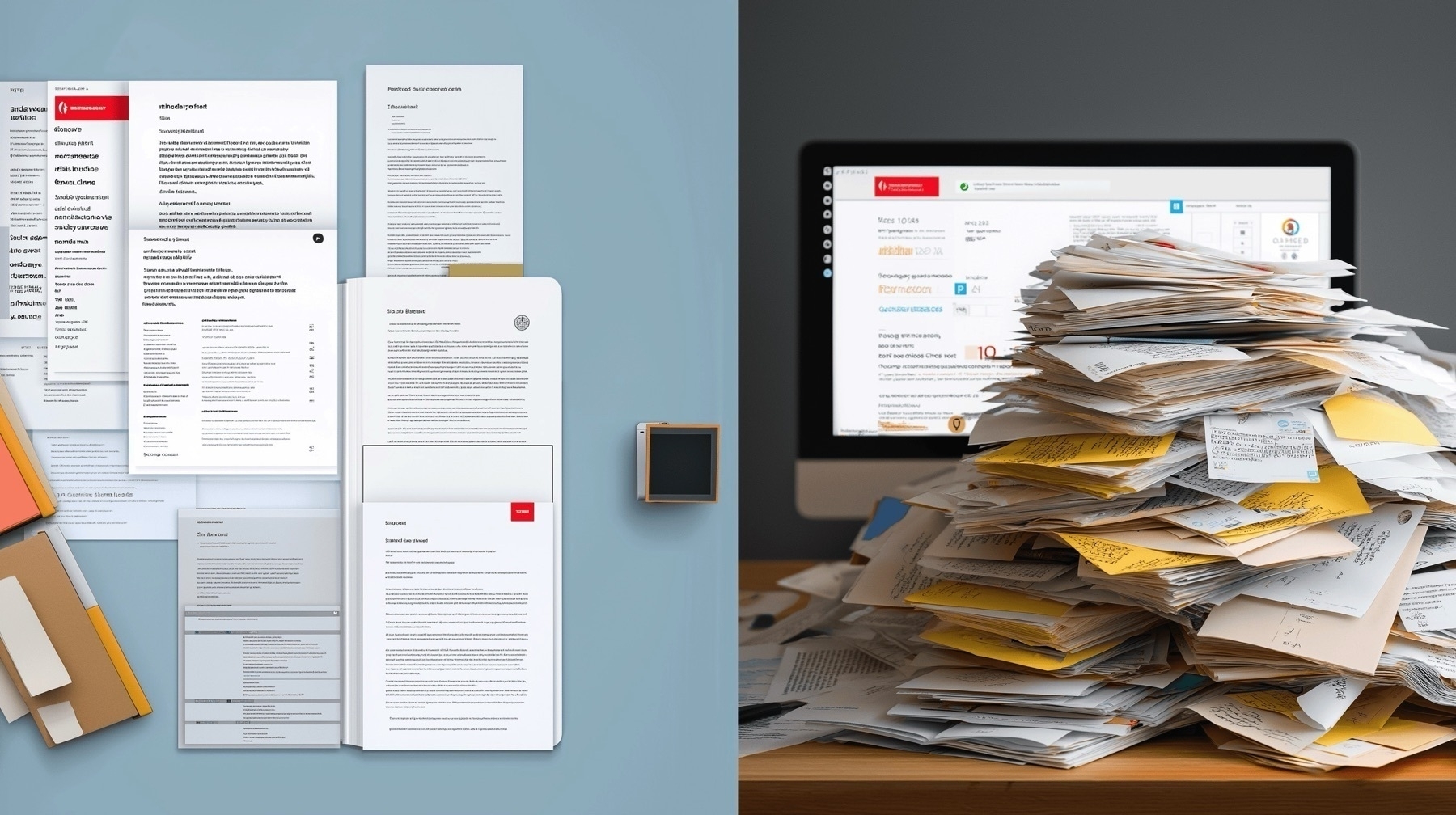
The difference is purpose and stakes. Work-related knowledge management serves clear, immediate needs with measurable consequences. Personal knowledge management, for most of us, serves psychological needs we don’t always acknowledge – the feeling of being prepared, the identity of being someone who “keeps track of things,” the illusion of control in an information-saturated world.
There’s something liberating about recognizing this distinction. It means you can stop feeling guilty about not reviewing your saved articles. You can abandon that elaborate tagging system you set up but never maintain. You can let most information remain temporary, encountered and appreciated in the moment rather than preserved for an imaginary future self who will have both the time and inclination to systematically review everything you found interesting.
This doesn’t mean becoming an information nihilist. It means being honest about what actually deserves systematic management versus what we can trust to the cloud of collective human knowledge that is the modern internet. It means recognizing that for most casual learning and curiosity, the best knowledge management system is often no system at all – just the confidence that when you need to know something again, you’ll be able to find it.
Maybe I’ll find a genuine use for Craft over the next six months, or maybe I’ll learn to be comfortable with the fact that a beautifully designed tool doesn’t need to become part of my life just because I have access to it. The goal isn’t to become an information processing machine. It’s to remain curious and engaged while accepting that not every interesting thing needs to become a project. Sometimes the most productive thing you can do with information is simply let it go.
(The images in this post were created with MidJourney.)